Google Cloud takes production-ready AI to Indian small and medium-sized businesses
Google Cloud Day India reportedly brought together more than 600 leaders to discuss production-ready AI for SMEs and mid-market businesses.
Aiexl. · 29 October 2026 · 2 min read

Research Buddy — Today’s News & Updates
Thursday, 29 October 2026 · India, technology, business and employment
Today’s briefing looks at the developments shaping India’s job market, enterprise AI adoption, the global AI race and the skills employers may need next. Each story includes the context behind the headline and why it matters.
3. Google Cloud takes production-ready AI to Indian small and medium-sized businesses
The Times of India · 29 October 2026
Google Cloud hosted its Cloud Day India 2026 event, bringing together more than 600 founders, business leaders and technology executives. The event focused on making production-ready AI more accessible to small and medium-sized businesses and mid-market enterprises across sectors including manufacturing, retail, logistics, media and financial services.
The important distinction is between experimenting with an AI tool and deploying a dependable business application. A company might use AI to summarise documents during a trial, but a production deployment must also address access permissions, integration with existing software, reliability, cost and data protection.
For smaller businesses, implementation complexity can be a major obstacle. They may not have dedicated AI research teams or large engineering departments. Cloud platforms and implementation partners can help bridge that gap by providing infrastructure and managed services.
Why it matters: AI adoption could create opportunities not only for researchers and model developers but also for software engineers, automation specialists, consultants and professionals who understand how to apply AI to specific industries.
For example, a logistics company might use AI to process shipment documents, while a retailer could apply it to customer-service workflows. The value depends on whether the implementation improves a measurable business process.
What to watch next: Evidence of real deployments, measurable productivity improvements and repeatable use cases among Indian SMEs—not just announcements about platform capabilities.
Source: Read the full report
Editorial source note
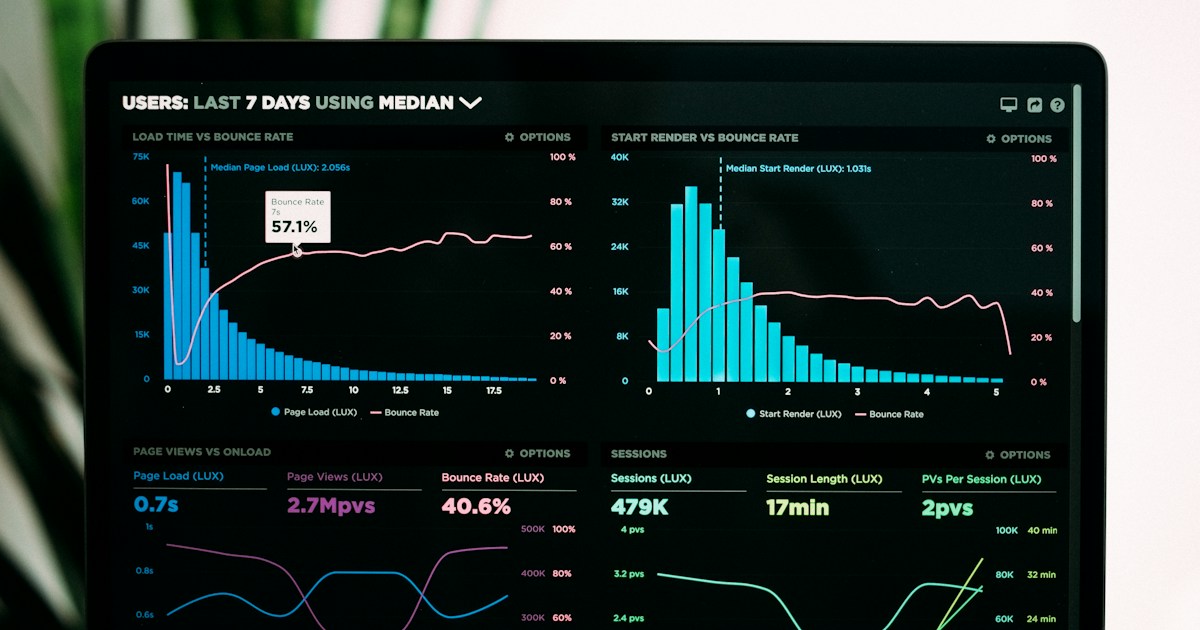
The supplied Times of India report was accessible during checking. Event details remain attributed to that report, not independently verified by Aiexl. The logistics and retail examples are illustrative applications, not confirmed deployments. The photograph is illustrative, not an event photograph.
Today’s key takeaways
Employment: AI-related business is growing, but hiring remains uneven between companies and roles. GCCs are another important part of India's technology employment landscape.
AI in finance: The securities regulator's proposal illustrates how AI may be applied to oversight and market monitoring, with governance and human review remaining important.
AI development: The reported use of model-generated outputs for training highlights the growing importance of data quality, provenance and responsible development.
Education and careers: Degrees remain valuable, but students also need practical evidence of their skills, including projects, technical explanations and problem-solving.
The big picture for 29 October: AI is moving deeper into enterprise operations, financial supervision and the business models of technology companies. At the same time, the employment benefits are not automatic. The central question for businesses is whether AI delivers measurable value; for workers and students, it is how to develop skills that translate into useful work.
Sources & references
Build a career in AI with CAIEE
The Certified AI Excellence Engineer programme turns these ideas into practical, portfolio-ready skills.
Explore CAIEE