Employers say degrees matter, but job readiness is increasingly important in the AI era
A Times of India report highlights graduate job-readiness concerns, practical skills and stronger industry–education collaboration in the AI era.
Aiexl. · 29 October 2026 · 2 min read

Research Buddy — Today’s News & Updates
Thursday, 29 October 2026 · India, technology, business and employment
Today’s briefing looks at the developments shaping India’s job market, enterprise AI adoption, the global AI race and the skills employers may need next. Each story includes the context behind the headline and why it matters.
6. Employers say degrees matter, but job readiness is increasingly important in the AI era
The Times of India · 29 October 2026
A report published today highlights concerns among corporate leaders that many graduates do not yet have the practical capabilities required for available jobs as AI reshapes entry-level work. The report emphasises stronger collaboration between educational institutions and industry, more workplace-relevant curricula, and practical preparation for emerging roles.
The underlying issue is the gap between academic knowledge and the ability to apply it. A graduate may understand programming concepts but have limited experience building, testing and documenting an application. Similarly, a student who has learned about AI tools may struggle to explain how to evaluate model outputs, protect data or integrate an AI system into a business workflow.
Practical experience can help bridge that gap, but it is not a substitute for fundamentals. Students still need to understand the concepts behind the tools they use and be able to explain their decisions.
Why it matters: Colleges, employers and training providers need to think about job readiness as a combination of technical knowledge, project experience, communication and problem-solving. For students, this means developing evidence of what they can do before they enter the recruitment process.
What to watch next: Whether industry–education partnerships lead to more internships, practical projects, industry assessments and structured graduate training.
Source: Read the full report
Editorial source note
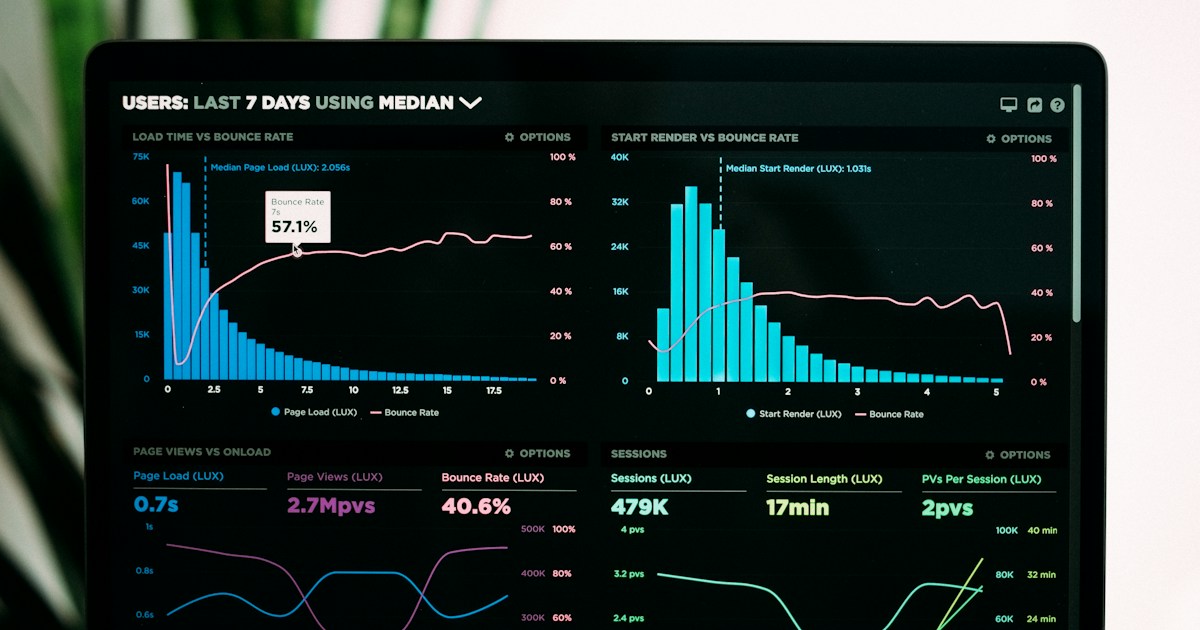
The supplied Times of India report was accessible during checking. Employer concerns remain attributed to the report, not independently verified by Aiexl. Practical preparation is not a guarantee of employment. The photograph is illustrative.
Today’s key takeaways
Employment: AI-related business is growing, but hiring remains uneven between companies and roles. GCCs are another important part of India's technology employment landscape.
AI in finance: The securities regulator's proposal illustrates how AI may be applied to oversight and market monitoring, with governance and human review remaining important.
AI development: The reported use of model-generated outputs for training highlights the growing importance of data quality, provenance and responsible development.
Education and careers: Degrees remain valuable, but students also need practical evidence of their skills, including projects, technical explanations and problem-solving.
The big picture for 29 October: AI is moving deeper into enterprise operations, financial supervision and the business models of technology companies. At the same time, the employment benefits are not automatic. The central question for businesses is whether AI delivers measurable value; for workers and students, it is how to develop skills that translate into useful work.
Sources & references
Build a career in AI with CAIEE
The Certified AI Excellence Engineer programme turns these ideas into practical, portfolio-ready skills.
Explore CAIEE