G7 plans AI-driven cyberattack exercises to test financial-system preparedness
Reported plans for G7 cyberattack simulations underline the importance of rehearsing responses to AI-related risks rather than waiting for an incident.
Aiexl. · 19 October 2026 · 2 min read
What happened?
The Indian Express reported on 18 October 2026 that G7 countries plan exercises to test responses to AI-driven cyberattacks. Supporting reporting describes tabletop simulations developed by G7 financial authorities, focused on how institutions and authorities would respond to threats affecting financial systems.
These are preparedness plans, not evidence that a particular cyberattack has occurred or that the proposed exercises have already taken place. The distinction matters: a simulation rehearses decisions and coordination before a real incident.
Why does this matter?
AI can help defenders analyse threats, while attackers may use AI tools to automate parts of reconnaissance, phishing and vulnerability discovery. Outcomes depend on the tools, access, targets and security controls involved; AI does not make every attack inevitable or every defence effective.
Financial institutions rely on dependable systems, secure transactions, identity verification and protection of customer information. A disruption can therefore require both technical recovery and coordination among decision-makers.
Exercises can help reveal gaps in response plans and test whether organisations know who should act, what information is needed and how services could be restored.
Practical takeaways for aspiring professionals
- Learn threat analysis and secure software development.
- Understand identity and access management.
- Practise incident response using authorised, simulated scenarios.
- Document decision-making, escalation and recovery steps.
- Evaluate AI-based security tools responsibly rather than assume automation replaces human judgement.
A useful student project
Run a tabletop scenario for a fictional AI-enabled application using synthetic data. Ask how the team would detect suspicious access, restrict permissions, preserve evidence and restore normal operation. This is a learning exercise, not permission to attack a real financial system.
Source note
The Indian Express headline and publication date were verified, but direct access to its full article was restricted during review. The financial-authorities and simulation context is also supported by the linked International Business Times Singapore report. No exercise completion or specific incident is claimed.
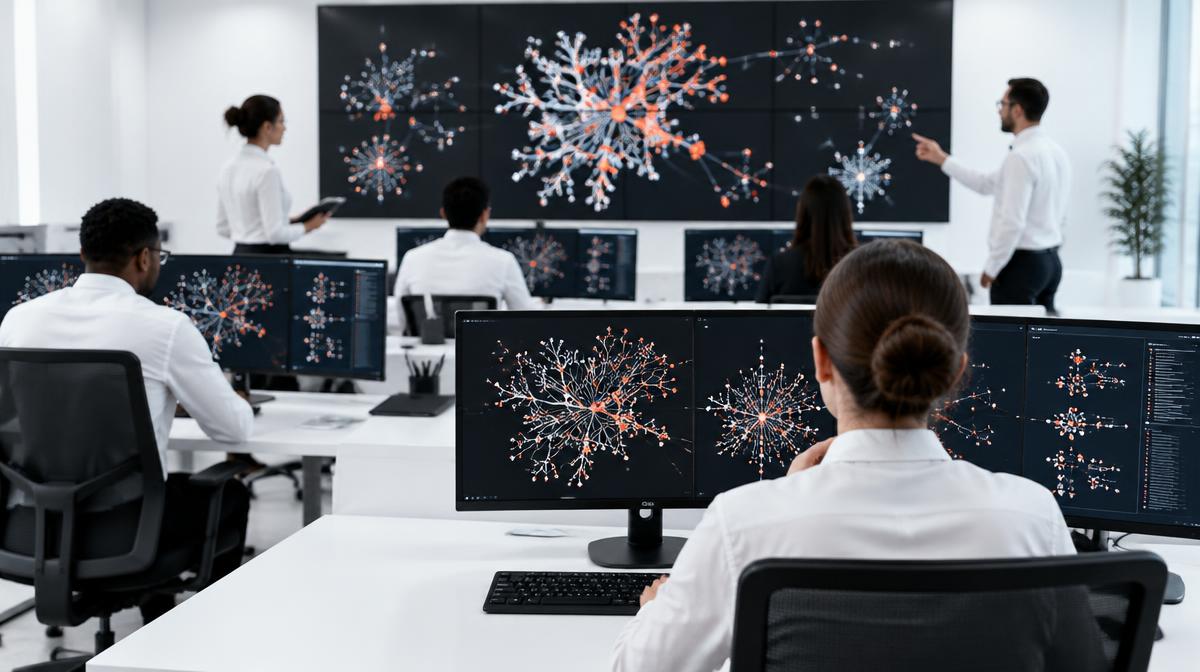
Cover image: AI-generated illustrative security workspace, not a photograph of a G7 exercise.
Sources & references
Build a career in AI with CAIEE
The Certified AI Excellence Engineer programme turns these ideas into practical, portfolio-ready skills.
Explore CAIEE